Analysis of International Trade Terms and Their Application in Bonded Logistics
International Trade Terms (Incoterms) are internationally recognized guidelines that provide direction for the formulation and fulfillment of cargo transportation contracts between buyers and sellers. They focus on defining responsibilities, costs (price composition), and risk assumption in the handover of goods. They simplify transaction procedures, facilitate price comparison, strengthen cost accounting, and help prevent or resolve trade disputes.
The International Chamber of Commerce (ICC) first published the "International Rules for the Interpretation of Trade Terms" in 1936. Since 1990, the ICC has decided to update them every ten years, with revisions made in 2000, 2010, and 2020. The latest version is Incoterms 2020.
Part I: Classification and Analysis of Incoterms 2020
The 2020 update is a minor revision, and the total number of terms remains 11. Below, we categorize these 11 trade terms by their starting letters, mode of transport, and point of risk transfer.
1. Classification by Starting Letter
- Group E (1): EXW
- Group C (4): CFR, CIF, CPT, CIP
- Group F (3): FCA, FAS, FOB
- Group D (3): DPU, DDP, DAP (DPU replaced DAT in the 2020 rules)
2. Classification by Mode of Transport
- For Sea or Inland Waterway Transport: CIF, CFR, FOB, FAS
- Multimodal (Any Mode): EXW, FCA, CPT, CIP, DAP, DPU, DDP
3. Classification by Point of Risk Transfer
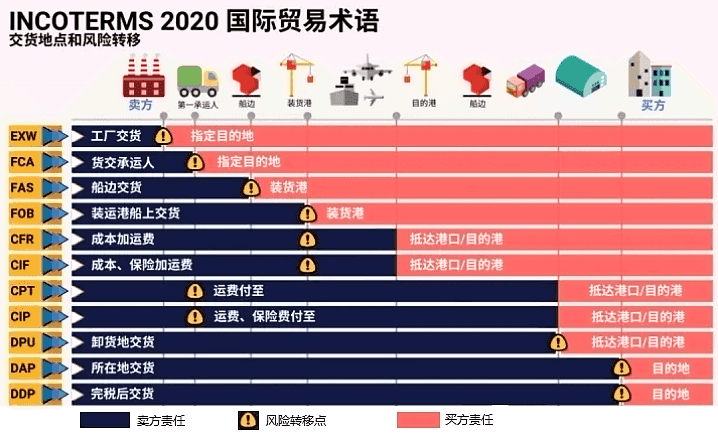
In the diagram above, from top to bottom, the seller's responsibilities and obligations gradually increase. The seller has the minimum obligation under EXW, while the buyer has the minimum obligation under DDP. Risk transfer occurs at the time of delivery, with the difference being that for Group D terms, the risk transfer point is at the destination, while for others, it is at the place of shipment.
4. Explanation of Key Terms
- EXW (Ex Works): The seller delivers when it places the goods at the disposal of the buyer at the seller's premises or another named place. The seller is not responsible for loading the goods or export clearance.
- FAS (Free Alongside Ship): The seller delivers when the goods are placed alongside the vessel at the named port of shipment.
- FCA (Free Carrier): The seller delivers the goods to the carrier or another person nominated by the buyer at the seller's premises or another named place.
- CPT (Carriage Paid To): The seller delivers the goods to the carrier and pays for carriage to the named destination.
- CIP (Carriage and Insurance Paid To): Similar to CPT, but the seller also pays for insurance.
- FOB (Free on Board): The seller delivers the goods on board the vessel nominated by the buyer at the named port of shipment.
- CFR (Cost and Freight): The seller delivers the goods on board the vessel and pays the costs and freight necessary to bring the goods to the named port of destination.
- CIF (Cost, Insurance and Freight): Similar to CFR, but the seller also pays for insurance.
- DPU (Delivered at Place Unloaded): The seller delivers when the goods, once unloaded from the arriving means of transport, are placed at the disposal of the buyer at a named destination.
- DAP (Delivered at Place): The seller delivers when the goods are placed at the disposal of the buyer on the arriving means of transport ready for unloading at the named destination.
- DDP (Delivered Duty Paid): The seller delivers the goods when the goods are placed at the disposal of the buyer, cleared for import on the arriving means of transport ready for unloading at the named destination.
Part II: Application of Incoterms in Bonded Logistics
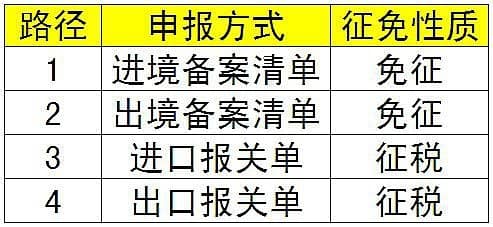
The fundamental difference between general trade and bonded trade is that general trade is a trade system, while "bonded" is a customs system. Goods entering bonded areas do not involve tariffs or import-stage VAT and consumption tax.
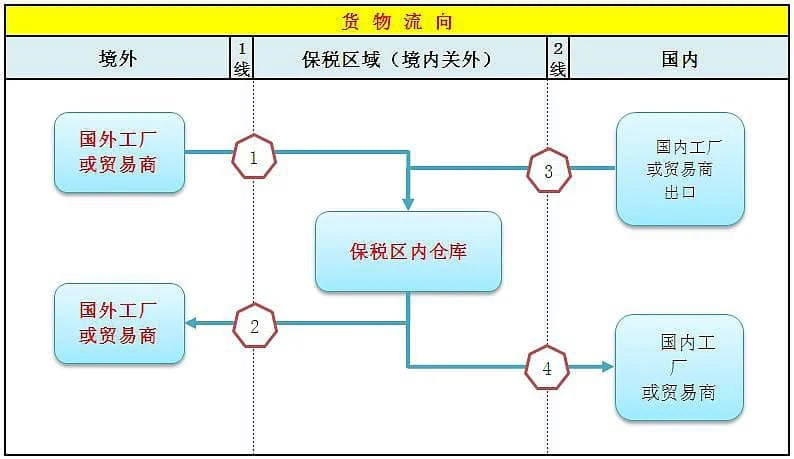
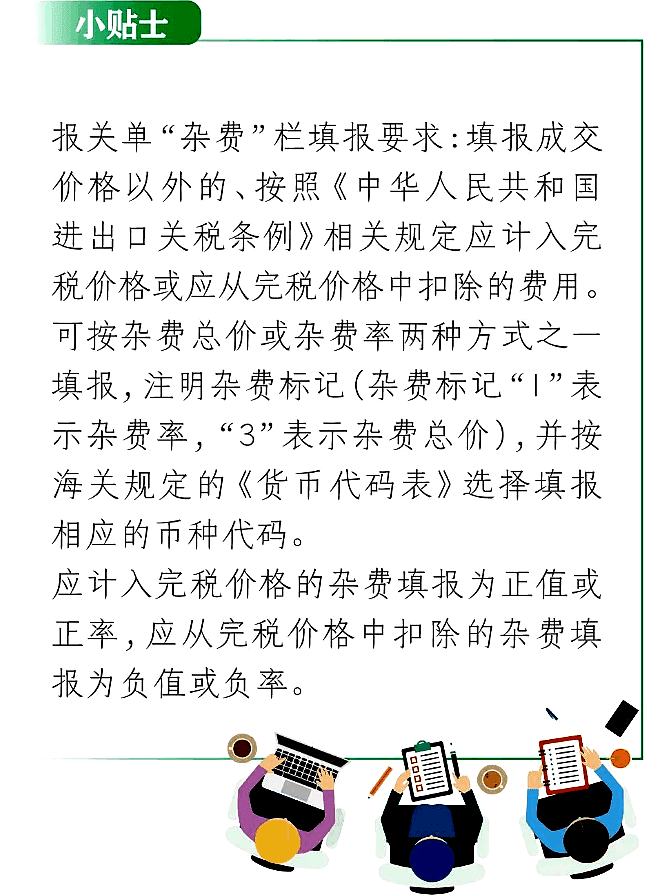
During customs clearance, declarations must be made based on actual transaction terms using codes specified by Customs (CIF/C&F/FOB/C&I and EXW). Terms not in the system are declared based on these five codes, with adjustments in the "Freight," "Incidentals," and "Insurance" columns.
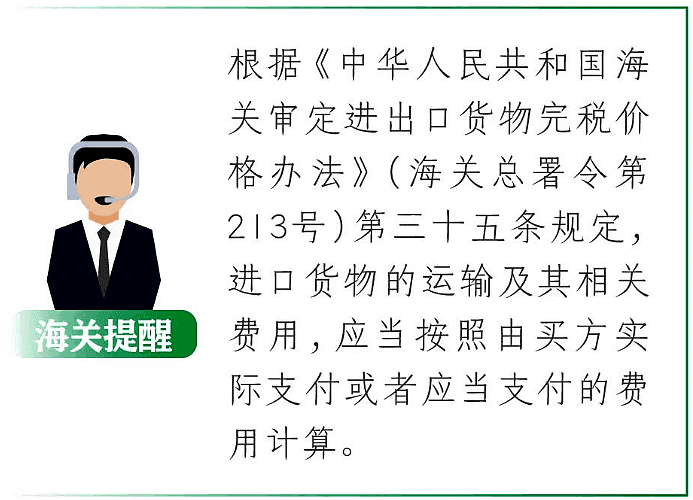
Examples of Customs Declaration:
- CIF (Cost, Insurance & Freight)
If the price already includes all taxable freight, the "Freight" column does not need to be filled. Any non-included surcharges (e.g., LSS) should be filled in the "Incidentals" column.
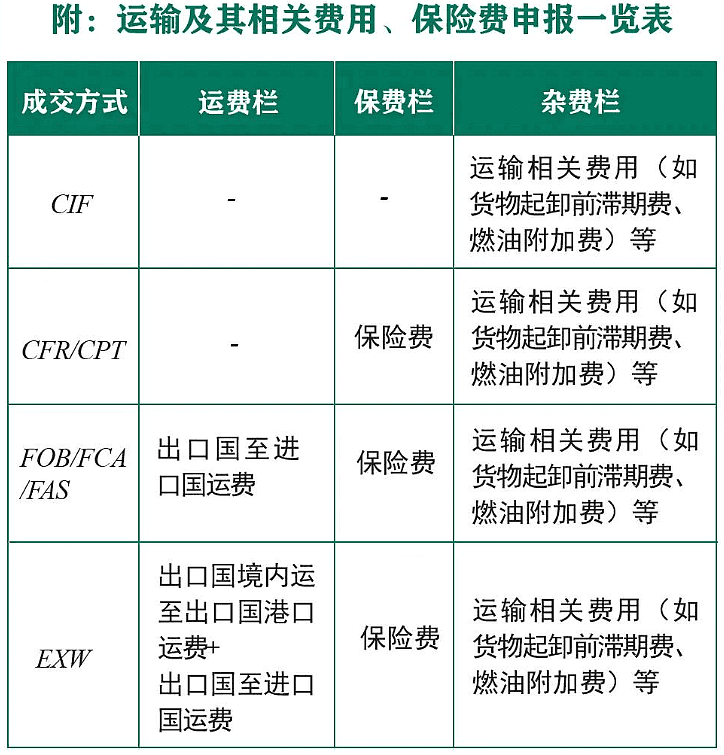
- CFR/CPT (Cost and Freight/Carriage Paid To)
If the price includes all taxable freight, the "Freight" column is left blank. Non-included portions go into "Incidentals."

- FOB/FCA/FAS (Free on Board/Free Carrier/Free Alongside Ship)
Since the price excludes freight, transport costs to the port of entry must be filled in the "Freight" column, and related taxable expenses in "Incidentals."