Choosing Property Insurance for Warehousing Enterprises: A Professional Guide
January 12, 2024
A detailed analysis of the differences between basic, comprehensive, and all-risk property insurance. Learn why warehousing enterprises must purchase property insurance to mitigate subrogation risks and protect cargo and facilities.
For a logistics enterprise with bonded warehousing as its core, safety is the top priority. Commercial insurance is a vital component of safety production investment and an essential measure for cargo security.
I. Three Categories of Enterprise Property Insurance
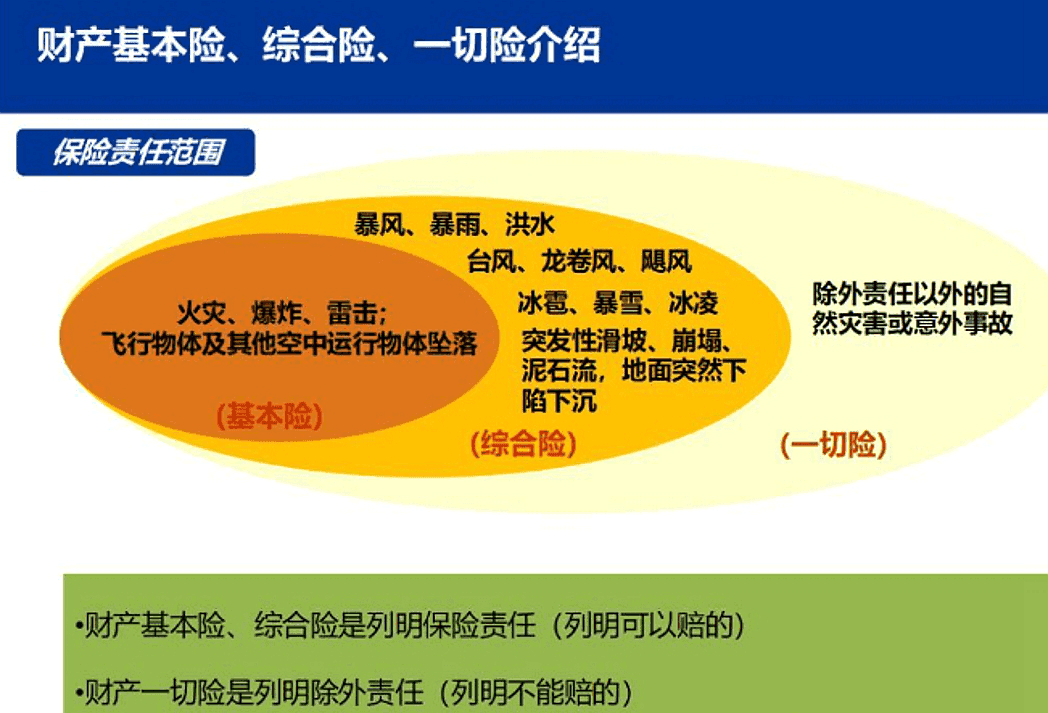
Enterprise property insurance is categorized into three types, with progressively broader coverage:
- Basic Property Insurance:
- Coverage: Fire, explosion, lightning, and falling aerial objects.
- Feature: A "white list" model, covering only listed items.
- Comprehensive Property Insurance:
- Coverage: Basic coverage + 13 types of natural disasters (e.g., heavy rain, typhoons, floods, landslides) + losses due to supply chain interruptions (power, water, gas).
- Property All Risks:
- Coverage: Comprehensive + all natural disasters and accidents except for specific "Exclusions."
- Feature: A "black list" model; if it’s not excluded, it’s covered.
II. Common "Exclusions" (What is Not Covered)
Even with All Risks insurance, be mindful of the following exclusions:
- Intentional or grossly negligent acts of the insured.
- Administrative/judicial acts, war, or terrorism.
- Earthquakes, tsunamis, and secondary disasters.
- Natural wear and tear, mildew, moth-eaten damage, or rodent damage.
- Theft, robbery, or internal machinery/electrical breakdowns.
III. Why Must Warehousing Enterprises Purchase Property Insurance?
- Asset Protection: Even if the cargo owner has insurance, the warehouse operator's own facilities and equipment require separate insurance for protection.
- Contractual Fulfillment: In case of an accident, cargo owners may claim directly against the operator. Without insurance, the operator bears full liability.
- Mitigating Subrogation Risks: This is the most critical point. If a cargo owner is paid by their insurance, the insurer has the right of subrogation against the responsible party (the operator). Property All Risks insurance is the ultimate defense against subrogation risks.
Conclusion
EKUN adheres to the principle of "Safety First, Prevention Foremost." While we maintain All Risks insurance, our goal is to ensure it never needs to be activated through meticulous safety management.
Tags:
Warehousing InsuranceProperty InsuranceAll RisksRisk ManagementSafety Production
Published on: January 12, 2024Category: industry